


Co-working Apr 21, 2026

Written by Aankuur Bhogia
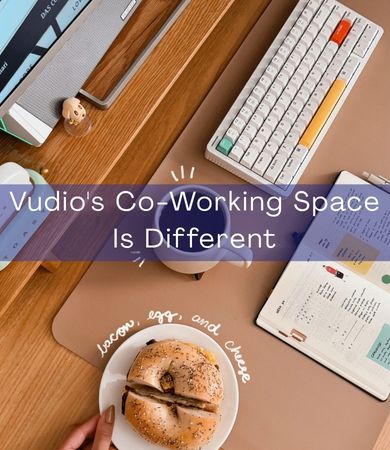
Most co-working spaces assume everyone at the desk is doing the same kind of work. Laptops, calls, spreadsheets.
That's fine for a lot of businesses. It's a strange fit if your actual output is a podcast episode, a reel or a finished track, because the work doesn't stop at the desk. At some point it has to move into a studio.
In most cities that means packing up and going somewhere else entirely.
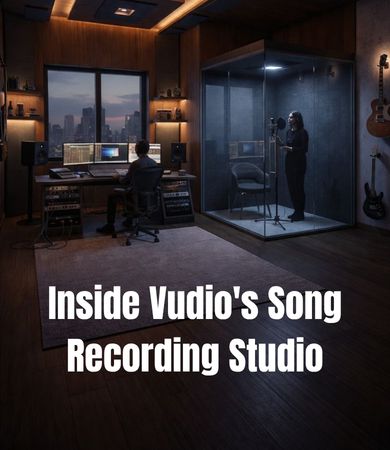
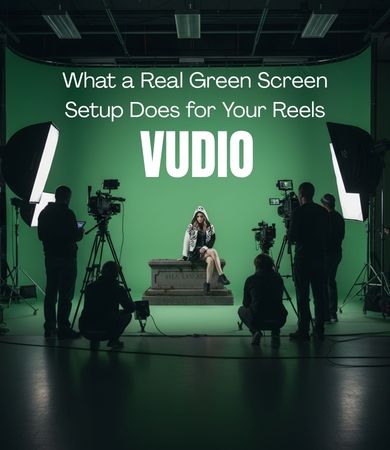
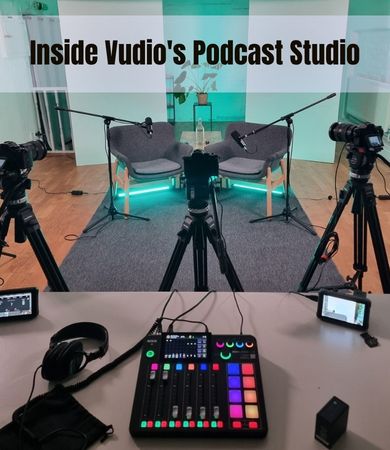
Our co-working space sits in the same building as the podcast studio, the song recording studio and the green screen studio. The distance between "I need to answer emails" and "I need to record something" is a walk down the hall.
The virtual office and mail handling matter for businesses that need a registered address without a full-time office. The events matter because they connect you to people doing similar work, not just strangers sharing a Wi-Fi password.
Picture an ordinary week for a founder who runs a podcast to promote their business. Mornings on email and calls. An afternoon recording an episode. Then back to a desk to follow up with the guest.
In most cities that day involves at least one commute across town. Here it's the same building, sometimes the same floor.
That sounds like a small convenience until you try running a business around a scattered set of locations. Every extra commute is dead time. It isn't work, recording or rest. It's just transit.
The meeting rooms aren't generic conference rooms. They're useful for the work that overlaps with content: client pitches, portfolio reviews, a call with a collaborator you met through the studios next door.
A client meeting and a content shoot can happen back to back without changing location.
If you're a founder recording a podcast, a consultant who needs the odd green screen shoot, or an agency producing content for several clients, switching between office mode and production mode usually means switching buildings and losing half a day to logistics. Here that switch happens inside one address. Our About Vudio page covers how the four spaces connect.
Plans are built around how differently people actually use the four spaces.
Some members mostly want a desk and book a studio occasionally. Others are almost entirely studio-focused and use the desk as a landing spot between sessions.
That range is deliberate, and the mix often shifts. Members who start on the co-working side tend to book studios more once they realize how easy the switch is.
This isn't generic office sharing for any business that needs a desk. It's for founders and small teams who need workspace and occasionally need production. Agencies making content for several clients. Consultants and coaches who use content to win work.
If your week moves between a laptop and a microphone, this is designed around that rather than around ignoring it.
The community side matters more than it looks on paper. Sharing a building with podcasters, musicians and creators leads to collaborations that don't happen in a room full of people who never leave their desks. A shoot booked because someone mentioned it in the kitchen. A podcast guest found three desks over.